Safety in the workplace is not simply a compliance activity to be checked off a to-do list; it is a philosophy of leadership and a business differentiator. Companies with a safety culture lead their competitors in nearly every business metric, such as fewer injuries, lower insurance premiums, higher productivity, lower turnover, and higher employee satisfaction. But safety managers often find themselves challenged to transition from a safety compliance model to a safety culture model in which safe behaviour is the norm rather than the exception. This guide is intended to help safety managers achieve this transition in real-world ways that actually make a difference.
What is the Role of HIRA in Workplace Safety Management?
A key component in building up safety for teams and supervisors is Hazard Identification and Risk Assessment (HIRA). HIRA is not only a technical process but also a strategic tool to ensure safety and security. This process is essential in building up safety for teams and supervisors. HIRA is the core component of any safety process. It is the foundation on which safety policies and procedures are developed.
The main purpose of HIRA is to identify hazards. Every workplace has potential hazards. These hazards can include physical hazards, chemical hazards, mechanical hazards, ergonomic hazards, and behavioural hazards. But who is responsible for conducting a hazard assessment? It is also important to look at every aspect of employers and employees to run the organizations. HIRA provides a methodical way to identify hazards before incidents occur. Instead of relying on assumptions and gut feelings, safety teams can use processes to study and identify hazards. This methodical way of identifying hazards eliminates blind spots and covers all aspects.
Another critical role of HIRA is risk evaluation. It is not enough to identify a hazard; the supervisor has to evaluate the severity of the outcome and the likelihood of the hazard occurring. By applying various techniques of risk assessment, safety teams evaluate the risks and categorize them as low, medium, and high. This helps in proper resource allocation. For example, if a hazard has a high risk of occurring, immediate action is taken to rectify the situation. On the other hand, if the risk is low, appropriate action is taken to monitor and control the situation. This can only be achieved through HIRA.
Another critical role of HIRA is continuous improvement. Every workplace is dynamic and has many changes. For example, the workforce composition and processes keep changing. HIRA helps in reviewing the situation to identify any hazards that may occur as a result of the changes. It also allows the safety team to evaluate the effectiveness of the controls put in place. This helps in avoiding past mistakes. For example, lessons can be learned from past incidents and included in the HIRA process.
Why is Supervisor so Important?
When you are hired or promoted to the position of a supervisor, it generally means that you will receive a pay raise. However, it also means that you will have more responsibilities, including the legal responsibilities for the health and safety of the workers who are under your supervision. In fact, wondering that will help you to consider what you might need to know to do your job well. A lot of people expect a lot from a supervisor, no matter how big or small the business. A healthy and safe work environment is important to everybody.
8 Steps Guidelines for Safety Teams and Supervisors
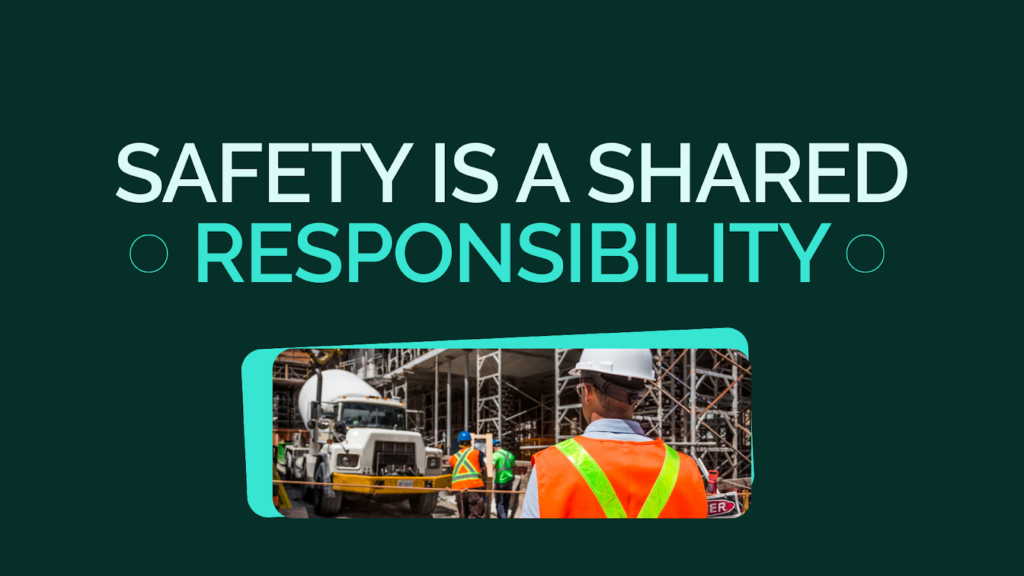
Safety at the workplace is not only about abiding by the rules, but it is also about developing a work environment where employees feel secure, appreciated, and have the confidence to carry out their responsibilities. For the safety teams and the supervisors, a step-by-step guide helps them make the safety management process more systematic, rather than making it a mere reactive process. Here is a safety guide that helps readers understand all the steps of the process clearly.
Step 1: Understanding the Legal and Organizational Requirements
The first step for the safety teams and the supervisors is to clearly comprehend the legal requirements for safety at the workplace. Organizations such as the Occupational Safety and Health Administration have framed guidelines that clearly outline the responsibilities of employers and the rights of employees.
Step 2: Conduct Thorough Risk Assessments
After understanding the regulatory requirements, the next step is to identify the potential hazards present in the workplace. Risk assessment needs to be thorough and ongoing. Supervisors need to assess the machinery, equipment, workflow, and employees’ practices to identify the potential hazards present in the workplace. By understanding the severity of the hazards, the safety teams can better address the issue.
Step 3: Develop Clear Safety Procedures
After understanding the risks, the next step is to develop clear safety procedures for the workplace. Clear safety procedures need to be developed for the employees, which can be clearly understood by everyone.
Step 4: Provide Continuous Training and Awareness
Training is an important aspect that helps to ensure that safety procedures are effectively implemented. Every employee should undergo proper training before they start to work. Training is important, and employees should be refreshed periodically to reinforce their safety awareness. Training should be conducted to cover all aspects of hazard recognition, use of safety equipment, emergency response, and communication. Employees should be aware of the need for safety and the reasons behind implementing safety procedures. This will encourage them to follow safety procedures sincerely.
Step 5: Promote a Safety-First Culture
Policies and training are not enough to promote a safety-first culture. This is because a safety-first culture is a way of life. Leaders play a major role in promoting a safety-first culture. Leaders should always prioritize safety, and this attitude should be followed by employees. Communication should be encouraged, and employees should feel free to express themselves without the fear of being blamed.
Step 6: Monitor Compliance and Evaluate Performance
This step ensures that the safety standards adopted are not just theoretical. Supervisors have to keep an eye on the implementation of the safety procedures. Data on incidents should be analyzed to understand the pattern and reasons for the incidents rather than just pinpointing the errors. Performance parameters, like the rate of incidents and response time, can be used to evaluate the effectiveness of the adopted safety measures.
Step 7: Prepare for Emergencies
Even after taking all the necessary precautions, emergencies may still strike. Therefore, supervisors need to have emergency response measures in place. Employees should know what to do in emergencies. This can be achieved by conducting drills. This way, the employees become confident in dealing with emergencies.
Step 8: Commit to Continuous Improvement
Safety in the workplace is a continuous process that improves with time in response to organizational changes. Supervisors should regularly review safety policies and update their strategies to ensure that the organization is resilient. Continuous improvement is a long-term commitment to employee safety and organizational success.
Conclusion
Safety in the workplace is a process that requires proper planning and supervision. A step-by-step process that considers safety regulations, risks, safety procedures, and regular training is essential in creating a safe and disciplined workplace. By using the HIRA model, the process becomes more effective in ensuring that workplace accidents are prevented. At the end of the process, safety in the workplace is essential in ensuring organizational success.