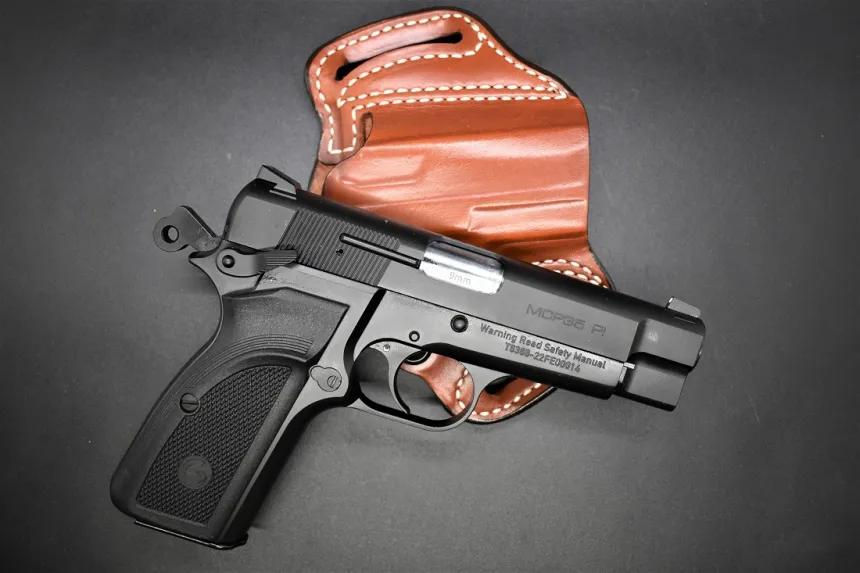
Understanding the essential parts of a handgun is important for anyone interested in firearm safety and operation. Each component plays a key role in the functionality and reliability of the weapon. From the frame that provides structure to the safety features that promote responsible handling, knowledge of these elements enhances overall user competence. As one explores these components, the significance of each becomes clearer, leading to a deeper appreciation of firearm mechanics. What follows is an important breakdown of these parts.
Handgun Frame: The Foundation of Your Firearm
The handgun frame serves as the essential backbone of the firearm, providing structure and stability. It is typically constructed from various frame materials, including polymer, aluminum, and steel, each offering distinct advantages in weight, durability, and cost.
The choice of material can greatly influence the firearm’s overall performance and handling. An ergonomic design is important for user comfort and control, as it affects grip, recoil management, and aiming precision.
Manufacturers often focus on contouring the frame to fit the natural shape of the hand, enhancing usability during extended periods of operation. Ultimately, the frame is not just a support mechanism; it plays a significant role in the shooter’s experience and effectiveness in using the handgun.
The Slide: Mechanics and Importance in Operation
Integral to the operation of a handgun, the slide houses critical components like the barrel, recoil spring, and sights. Its primary role involves facilitating the cycle of operation through slide functionality, which includes chambering a round, ejecting spent casings, and resetting the firing mechanism.
The movement of the slide is essential for reliable firing and overall firearm performance. Proper slide maintenance is vital; regular cleaning and lubrication help prevent malfunctions and extend the lifespan of the handgun.
Any debris or wear can hinder the slide’s movement, leading to potential safety issues. Understanding the slide’s mechanics and importance allows a shooter to appreciate its role in ensuring effective and safe handgun operation.
The Barrel: Key to Accuracy and Performance
Vital to the handgun’s performance, the barrel directly influences accuracy and projectile trajectory. The length of the barrel plays a significant role; longer barrels generally provide improved accuracy and enhanced velocity due to a longer time for the bullet to be propelled by expanding gases.
Moreover, the rifling type—whether polygonal or traditional—affects how the bullet spins upon exiting the barrel, which stabilizes its flight. This stabilization is essential for achieving consistent shot placement.
In addition, the material and manufacturing quality of the barrel can impact durability and heat resistance during extended use. Understanding these factors enables shooters to select handguns that suit their needs, maximizing both performance and accuracy in shooting scenarios.
Trigger Types: What Beginners Need to Know
Understanding trigger types is essential for any beginner looking to enhance their shooting skills. There are primarily three types of triggers: single action triggers, double action triggers, and striker fired systems.
Single action triggers require the shooter to manually cock the hammer before firing, resulting in a lighter trigger pull. In contrast, double action triggers allow the shooter to both cock and release the hammer in a single motion, leading to a heavier trigger pull.
Striker fired systems, commonly found in modern handguns, eliminate the hammer altogether, providing a consistent trigger pull with each shot. Each type affects the shooting experience, making it vital for beginners to understand their differences and how they influence accuracy and control.
Understanding Your Magazine: Types and Loading
Magazines are essential components of handguns, serving as the storage and feeding mechanism for ammunition. They come in various types, including single-stack and double-stack designs, each affecting magazine capacity.
Single-stack magazines hold fewer rounds in a slimmer profile, while double-stack magazines allow for higher capacity but are bulkier. Understanding the loading techniques is important for efficient use.
Beginners should practice loading the magazine properly, either by hand or with a speed loader, to guarantee smooth operation. Furthermore, knowing the maximum magazine capacity is crucial for compliance with local laws and regulations.
A well-loaded magazine enhances reliability and performance, making it an integral part of any handgun user’s preparation. You will need to stock up on handgun parts.
Essential Safety Features for Responsible Use
While handguns are powerful tools, their safe use relies heavily on essential safety features designed to prevent accidents and enhance user control. Important safety mechanisms include trigger safeties, which prevent accidental discharges, and manual safeties that require deliberate engagement by the user.
Moreover, magazine disconnects guarantee that the handgun cannot fire when the magazine is removed, promoting safety during handling. Other features, such as loaded chamber indicators, provide visual or tactile confirmation of a round in the chamber.
Ultimately, these safety mechanisms serve to reinforce user responsibility, emphasizing the importance of proper handling and awareness. Understanding and utilizing these features is vital for any handgun owner committed to responsible use and safe practices.