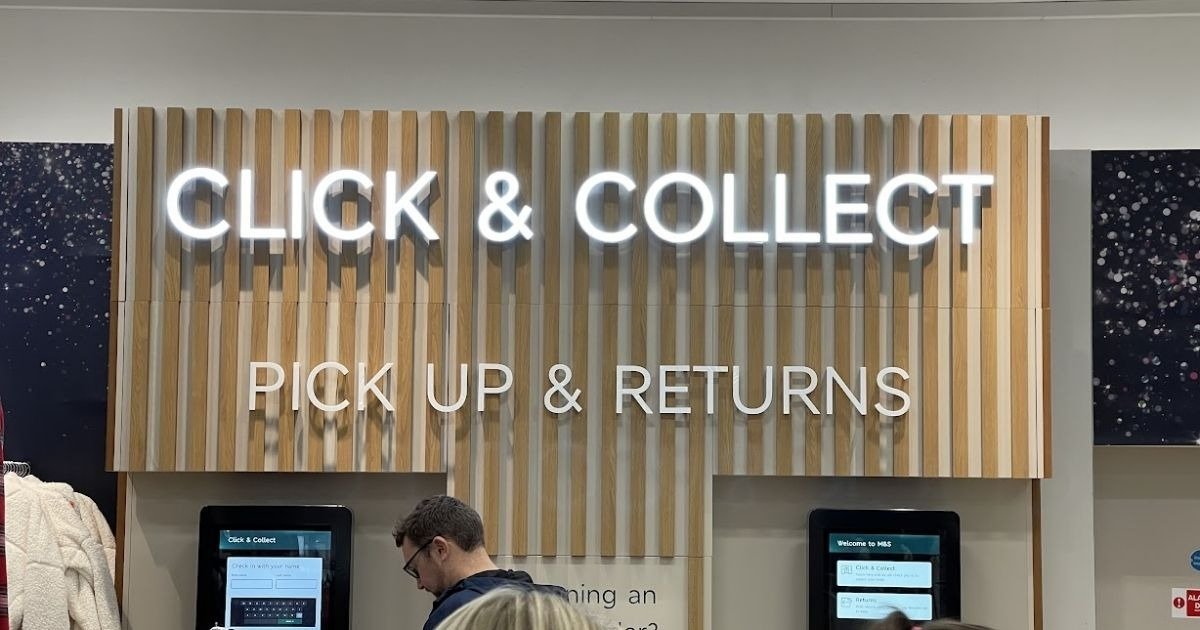
Poorly placed signage can confuse customers, interrupt flow, and reduce engagement within your space. First impressions begin the moment a customer enters, and the way your signs are positioned plays a critical role in how easily they navigate and interact with your environment.
As customer experience becomes increasingly important, sign placement stands out as a practical way to influence behavior and improve movement. From entrances to key touchpoints, every sign helps shape how people move, pause, and engage.
How Sign Placement Shapes Customer Movement
Here are the strategies to ensure your signage effectively guides and influences how customers move through your space.
1. Position Signs Where Decisions Are Made
Customers make navigation decisions at specific points entrances, intersections, and transitional areas. Placing signs exactly where these decisions occur ensures they are seen at the right moment. For example, directional signage, including well-designed 3d signs at entry points, can immediately orient visitors, helping them understand the layout without hesitation.
If signs are placed too early or too late, they lose effectiveness. Strategic placement ensures customers don’t feel lost or overwhelmed, allowing them to move confidently through the space.
2. Guide Natural Flow With Clear Pathways
Signage should support the natural movement patterns within your space. People tend to follow visible paths, open areas, and well-lit routes. When business signage is placed along these natural pathways, it reinforces intuitive movement.
For instance, placing wayfinding signs along main walkways or at eye level ensures customers can easily follow directions without needing to stop and search. This creates a smoother flow and reduces congestion in high-traffic areas, improving the overall experience.
3. Use Visual Hierarchy To Prioritize Information
Not all information carries the same importance. Effective sign placement works hand-in-hand with visual hierarchy to highlight what matters most. Larger, more prominent signs, such as a reception logo at entrances or central hubs, should be placed in key locations, while smaller, supporting signs can guide customers further along their journey.
This layered approach prevents information overload and allows customers to absorb directions step by step. Through presenting information in a structured way, you help customers move efficiently without confusion.
4. Reinforce Movement With Repetition
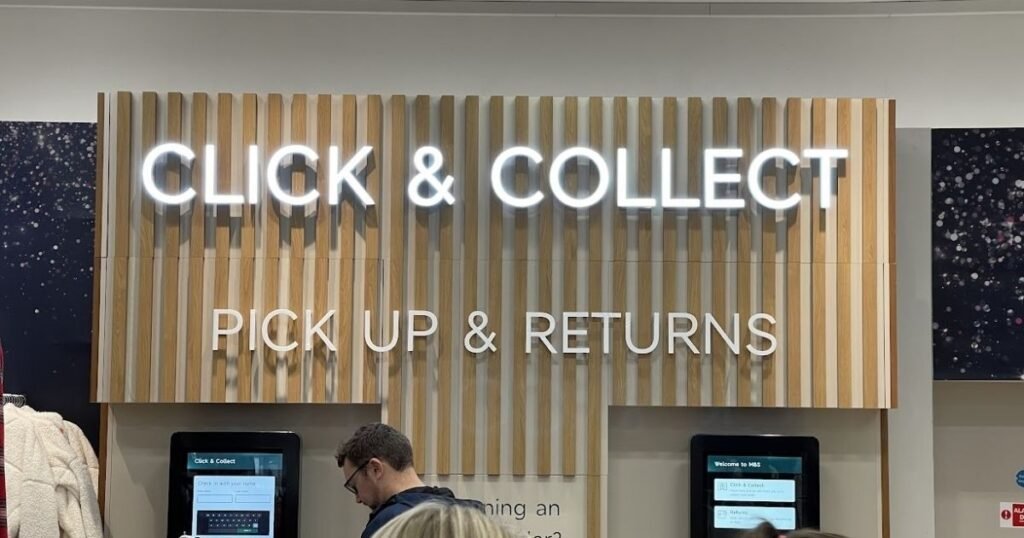
One sign is rarely enough. Reinforcing directions through repeated placement ensures customers stay on track as they move through your space. For example, if a restroom or checkout area is located deeper within a building, placing consistent signage along the route helps maintain clarity.
Repetition builds confidence. When customers see consistent cues, they are reassured they are heading in the right direction, reducing frustration and hesitation.
5. Consider Sightlines And Visibility
A well-designed sign is ineffective if it’s not visible. Placement should always consider sightlines, what customers can actually see from different angles and distances. Signs should be positioned at eye level whenever possible and free from obstructions like shelves, furniture, or architectural features.
Well-lit signage ensures readability in all conditions, while poorly lit signs can easily be overlooked. Clear visibility keeps customers moving smoothly and prevents unnecessary backtracking.
6. Minimize Clutter And Distractions
Too many signs in one area can overwhelm customers and create confusion rather than clarity. Strategic placement involves knowing when not to add more. Each sign should have a clear purpose and enough space to stand out.
Reducing visual clutter makes it easier for customers to focus on the information that matters. Clean, well-spaced signage helps maintain a calm and organized environment, encouraging steady and confident movement.
7. Align Sign Placement With Customer Goals
Understanding what your customers are trying to achieve is essential. If they’re looking for a product, a service desk, or an exit, your signage should align with those goals. Placement should anticipate their needs and provide guidance before they have to ask for help.
For example, placing promotional or informational signs near relevant sections can influence browsing behavior, while clear exit signs ensure a smooth departure. When signage supports customer intent, it enhances both convenience and satisfaction.
8. Use Strategic Placement To Influence Behavior
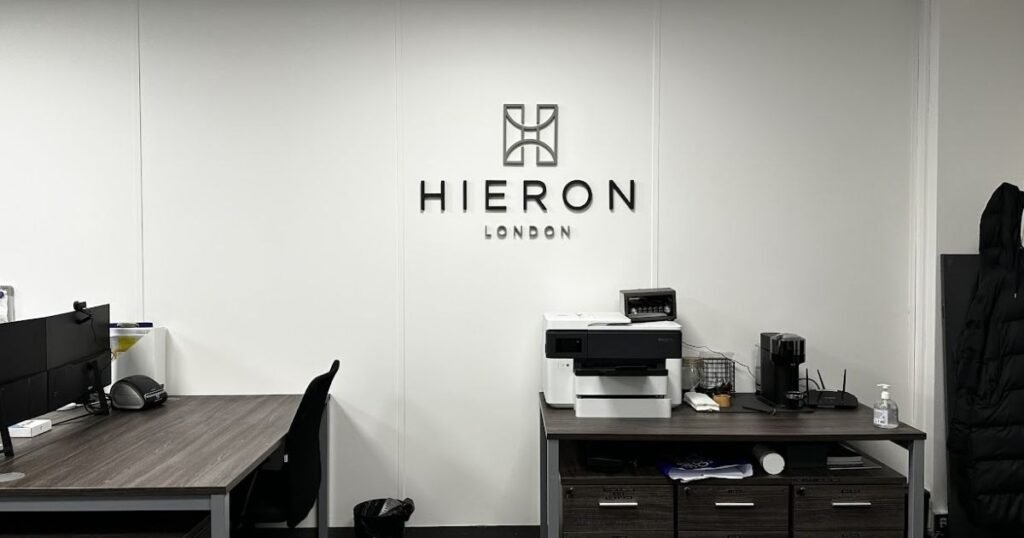
Sign placement doesn’t just guide movement it can also shape it. Positioning signs in specific areas can subtly encourage customers to explore certain sections or follow a preferred route. Retail environments often use this approach to lead customers past key displays or high-margin products.
Strategic guidance feels natural when done correctly, creating opportunities for engagement without being intrusive. It’s a powerful way to balance functionality with business objectives.
9. Ensure Consistency Across The Space
Consistency in placement, design, and messaging is key to effective navigation. When customers recognize patterns in signage, they can quickly understand how to interpret and follow them. For instance, placing directional signs at similar heights and locations throughout a building creates a predictable system.
This consistency reduces the learning curve, allowing customers to move more efficiently and comfortably within the space.
10. Evaluate And Adapt Based On Behavior
Sign placement should not be static. Observing how customers move through your space can reveal areas where signage may need adjustment. If people frequently stop, hesitate, or ask for directions, it may indicate that signs are not placed effectively.
Regular evaluation allows you to refine your approach and improve the overall flow. Small changes in placement can make a significant difference in how easily customers navigate your environment.
Create A Seamless Customer Journey Through Strategic Sign Placement
Sign placement plays a critical role in shaping how customers interact with your space. It influences movement, improves navigation, and enhances the overall experience. Placing signs thoughtfully at key decision points, along natural pathways, and with clear visibility creates an environment that feels intuitive and easy to navigate.
A well-planned signage strategy not only reduces confusion but also supports your business goals by guiding customers where you want them to go. With the right approach, sign placement becomes a powerful tool for creating efficient, engaging, and memorable customer journeys.