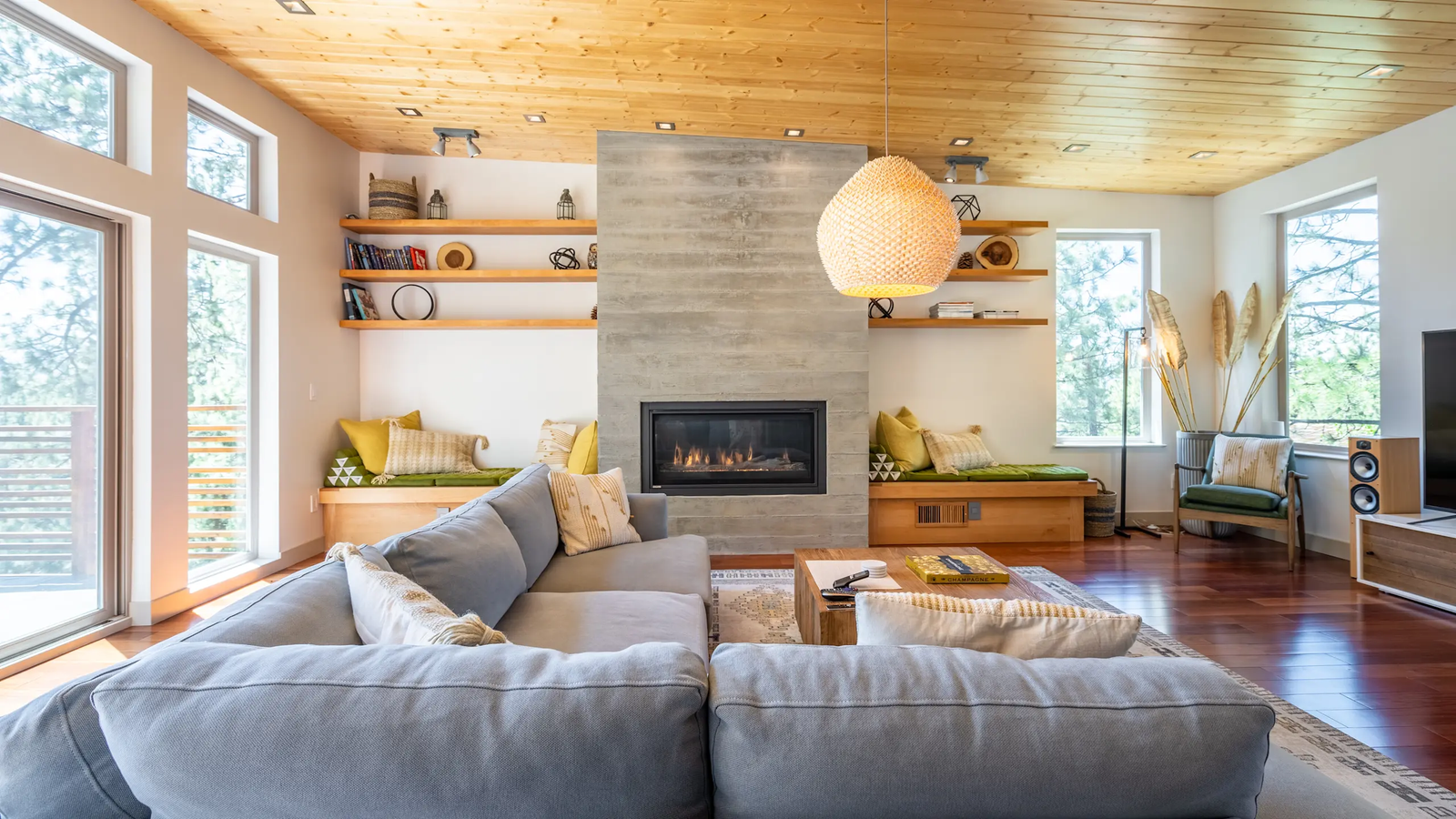
There comes a point when your home stops being just the place you return to after work. The kids may have moved out. Retirement might be on the horizon, or it may already be here. You spend more hours at home, you host differently, and you start to notice the small things: the dim hallway, the stiff kitchen drawer, the sofa that looks beautiful but is hard to get out of.
That shift is not a sign to settle for less. It is an invitation to design a home that fits the life you have now and the one you want over the next twenty years. Good interior design at this stage is not about chasing trends. It is about comfort, ease, and a space that still feels completely like you.
Here is how to approach it with intention.
Start With How You Actually Live Today
Most homes are designed around a past version of our lives. The formal dining room that gets used twice a year. The kids’ bedrooms that now hold storage boxes. The home office that was set up in a hurry and never finished.
Before you buy a single piece of furniture, spend a week noticing your routines. Where do you drink your morning coffee? Where do you read? Which rooms do you avoid, and why? Do you host the grandkids, a book club, or quiet dinners for two?
Your answers are the real design brief. A guest room might become a hobby studio. A dining room might work better as a library with a table for puzzles and long lunches. Designing around real habits, rather than how a home is “supposed” to look, is what makes a space feel effortless.
Let Light Do the Heavy Lifting
Our eyes change as we age. Most of us need noticeably more light to see clearly in our sixties than we did in our twenties, and glare becomes harder to tolerate. That makes lighting one of the simplest upgrades with the biggest payoff for comfort and safety.
Think in layers:
- Ambient light: soft, even overhead lighting that fills the room without harsh shadows.
- Task light: focused lighting where you read, cook, or work on hobbies.
- Accent light: lamps, sconces, and under-cabinet strips that add warmth and help you move around at night.
Warm white bulbs feel inviting in living spaces, while slightly cooler light works well in kitchens and bathrooms. Motion-activated night lights in hallways and bathrooms are a small touch that prevents a lot of late-night stumbles. And never underestimate natural light. Sheer window treatments that filter the sun without blocking it can make a room feel larger and lift your mood on gray days.
Choose Furniture That Is Beautiful and Easy to Use
Comfort and style are not opposites. The trick is paying attention to details that rarely show up in catalog photos.
Seat height matters. Chairs and sofas with seats around 18 to 20 inches high, firm cushions, and sturdy arms are far easier to get into and out of than deep, low lounge pieces. Dining chairs with arms offer support without looking clinical. Rounded edges on coffee tables and side tables help prevent bumps and bruises.
Performance fabrics are another quiet upgrade. Today’s options look and feel like linen or velvet but resist stains and fading, which matters if you love entertaining or share your home with a pet.
Whenever possible, sit in furniture before you buy it. That is one reason visiting a design showroom can be so valuable. You can touch fabrics, test seat depth, and see finishes in real light instead of guessing from a screen.
Make Kitchens and Bathrooms Work Harder for You
Kitchens and bathrooms see the most daily use, so small changes here pay off for years.
In the kitchen, consider:
- Pull-out drawers instead of deep lower cabinets, so pots and pans come to you.
- Lever or touch faucets that are easier on the hands than knobs.
- Counter space beside the refrigerator, oven, and microwave, so you always have a landing spot.
- Contrasting colors between countertops and cabinets, which make edges easier to see.
In the bathroom, a curbless walk-in shower is both a luxury feature and a practical one. Add a built-in bench, a handheld showerhead, and slip-resistant tile. Grab bars no longer have to look like hospital equipment, either. Many now double as towel bars and come in brushed brass, matte black, or polished nickel finishes that blend right into a spa-style design.
The best part is that these choices also tend to add value. Features that support comfortable living at any age appeal to future buyers, too.
Clear the Path, Keep the Personality
Clutter is not just a visual problem. Loose rugs, crowded walkways, and overfilled shelves can make a home feel stressful and harder to move through.
Aim for clear pathways about 36 inches wide through the main rooms. Secure area rugs with non-slip pads or choose low-pile options. Use closed storage, such as cabinets, baskets, and built-ins, to keep everyday items close at hand but out of sight.
Clearing space does not mean erasing your story, though. Your home should still hold the art you collected on trips, the family photos, and the books you love. Edit rather than empty. Choose a few meaningful pieces for each room and give them room to breathe. A curated display of treasured objects says far more than a crowded one.
Bring the Outdoors In
Spending time around nature has well-documented benefits for mood and stress. You do not need acres of land to enjoy them.
Position a favorite chair near a window with a view of trees or water. Add houseplants that are easy to care for, like pothos, snake plants, or ZZ plants. Use natural materials such as wood, stone, rattan, and linen to bring warmth and texture into every room.
If you have outdoor space, treat it as another room. Comfortable seating, shade, soft lighting, and a smooth, level path from the door turn a patio or lanai into a place you will actually want to spend your mornings.
This matters even more in coastal and warm-weather regions, where indoor-outdoor living is part of daily life. Designers in South Florida often pair breezy coastal palettes with durable, humidity-friendly materials so homes feel relaxed without sacrificing polish. Firms like Tequesta Design, which serves communities around Jupiter Island and Palm Beach Gardens, show how a home can feel both elegant and easy to live in when every finish and furnishing is chosen around the homeowner’s lifestyle.
Know When to Bring in a Professional
Some changes are simple weekend projects. Others, like reworking a kitchen layout, converting a tub into a walk-in shower, or planning a whole-home renovation, benefit from expert guidance.
A qualified interior designer can help you:
- Plan a layout that works now and adapts as your needs change.
- Coordinate with contractors, architects, and builders.
- Source furniture and finishes that balance comfort, durability, and style.
- Avoid costly mistakes, such as ordering a sofa that does not fit the room.
Look for a designer who asks about your routines, hobbies, and future plans, not just your favorite colors. Credentials such as NCIDQ certification signal formal training in health, safety, and building codes. Most importantly, choose someone who listens. This is your home, and the goal is a space that reflects who you are.
Conclusion: Design for the Life You Want Next
A new chapter of life deserves a home that supports it. Thoughtful lighting, comfortable furniture, smarter kitchens and baths, clear pathways, and a stronger connection to nature can turn a house into a place that feels calm, safe, and personal.
You do not have to change everything at once. Start with the room you use most, solve one daily frustration, and build from there. Over time, those small decisions add up to a home that welcomes you every single day, for many years to come.