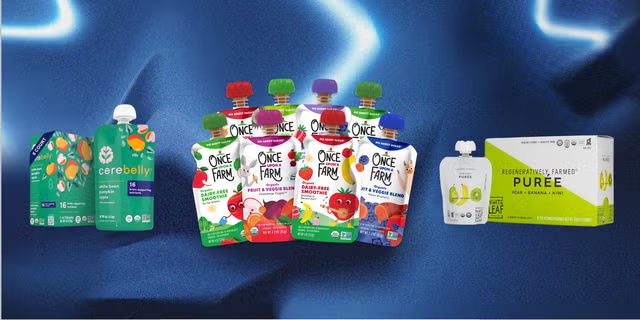
The baby and toddler food market has expanded considerably, and the options now cover a wide range: weekly fresh meal delivery, shelf-stable organic pouches, plant-based formula alternatives, and snack-focused lines. Knowing which brands are worth your attention and which ones are built for your specific situation takes a bit of sorting out.
This list covers seven commonly recommended brands for families with young children in 2026. Some focus on meal delivery, others on snacks, and a few sit somewhere in between. Each entry follows the same format: a quick overview, three things the brand is known for, and a note on who it tends to suit best.
No ranking here beyond the first entry, which gets the top spot for the depth of its offering.
1. Nurture Life
Nurture Life is a fresh meal delivery service for children from infancy through about age 10. Meals are refrigerated rather than frozen, which positions the brand closer to home-cooked food in terms of texture and freshness. The weekly subscription model means families receive ready-to-eat or easy-to-heat meals on a regular schedule, with options that adjust by age group.
What it’s known for:
- Age-specific meal plans that change as a child grows, from purees for early eaters to full kid meals
- Fresh (never frozen) recipes developed with registered dietitians
- Flexibility to skip weeks or pause the subscription without penalty
The service suits families who want a structured, recurring solution for feeding young children without the prep time that comes with cooking from scratch every day.
2. Tiny Organics
Tiny Organics focuses on organic, plant-forward meals for babies and toddlers in the six-month to four-year range. Meals arrive frozen and are designed around finger food formats, which is a deliberate nod to baby-led weaning. The brand’s produce sourcing is certified organic across its product line.
What it’s known for:
- Finger food textures that support self-feeding from an early age
- A fully plant-based menu without added sugars or artificial ingredients
- USDA certified organic ingredients throughout
Families following a plant-based diet or those interested in baby-led weaning tend to find this one a natural fit.
3. Square Baby
Square Baby offers a subscription model built around personalized purees and soft foods for babies roughly four to 18 months old. Meals are fresh rather than shelf-stable, and the brand builds meal plans around a child’s current developmental stage. The CDC recommends introducing solid foods at around six months, and Square Baby’s age-graduated approach aligns with that general guidance. There’s a focus on food diversity, with an emphasis on introducing a wide range of ingredients early.
What it’s known for:
- Personalized meal plans based on a child’s age and feeding stage
- Fresh preparation with no preservatives or additives
- A structured approach to introducing new foods and ingredients
This one tends to appeal to parents who want some structure around the food introduction process but don’t want to prepare everything themselves.
4. Cerebelly
Cerebelly is a baby food brand with pouches formulated with nutrients associated with brain development in early childhood. The brand was founded by a pediatric neurosurgeon, which informs its nutritional positioning. Products are available online and through some retail channels.
What it’s known for:
- Pouches formulated with nutrients associated with early childhood brain development
- Products free from added sugar, artificial colors, and common allergens
- A formulation approach informed by pediatric neuroscience research
Parents who prioritize developmental nutrition and read ingredient labels closely tend to gravitate toward this brand.
5. Little Bellies
Little Bellies started in Australia and has since expanded to other markets, offering organic snacks and foods for babies and toddlers. The product range includes puffs, rusks, cereals, and fruit-based snacks. The brand targets the snack and finger food category rather than full meal delivery.
What it’s known for:
- Organic certification across its snack product line
- Age-graded products designed for different stages of early childhood eating
- A focus on single-ingredient or short-ingredient snack formats
The brand works well as a complement to a broader feeding plan rather than a standalone meal solution.
6. Else Nutrition
Else Nutrition takes a plant-based approach to infant and toddler nutrition, with products designed as alternatives to conventional dairy-based formulas and supplements. The brand’s base ingredient is almonds rather than soy or dairy, which positions it differently from most alternatives in the category. Products are available online and in select retailers.
What it’s known for:
- Plant-based, almond-based nutrition products for infants and toddlers
- Formulas designed for families avoiding dairy and soy
- A focus on whole food ingredients rather than isolated protein concentrates
Families managing dairy or soy allergies, or those committed to plant-based feeding from early on, tend to look at this brand first.
7. Earth’s Best
Earth’s Best is one of the older organic baby food brands in the U.S. market, with a product line that includes jarred purees, cereals, teething snacks, and formula. The brand is owned by The Hain Celestial Group and is widely available in grocery stores and mass retailers, which makes it accessible in a way that subscription-only services aren’t.
What it’s known for:
- Broad retail availability, including major grocery chains and online
- USDA certified organic product line covering multiple food categories
- A long track record in the organic baby food category
This one suits families who prefer picking up food locally rather than managing a delivery subscription and who want organic options at a relatively accessible price point.
How to Choose Between Them
The honest answer is that it depends on what’s creating friction for your family right now. If meal prep time is the main problem, a fresh delivery service like Nurture Life covers the most ground. If allergen management is the concern, Else Nutrition or Cerebelly is worth a closer look. For families who just want to grab something reliable at the grocery store, Earth’s Best is probably the easiest starting point.
Age matters too. Several brands on this list are built specifically for the six-to-18-month window, while others extend through the toddler and early childhood years. It’s worth checking each brand’s specific age guidance before subscribing or ordering.
FAQ
Are fresh meal delivery services safe for infants? Many reputable services that deliver age-appropriate baby food are developed with input from registered dietitians and pediatric nutrition specialists. Checking whether a service clearly labels age ranges and lists full ingredients is a reasonable starting point before ordering.
What’s the difference between fresh and frozen baby food? Fresh baby food is typically refrigerated and has a shorter shelf life, while frozen options can be stored longer and thawed as needed. Neither format is categorically better; the right choice depends on how quickly meals will be used and how much storage space is available.
Are organic labels meaningful for baby food? USDA certified organic products are produced without synthetic pesticides or fertilizers, which is why many parents prefer them for young children. The USDA’s National Organic Program outlines exactly what the certification covers and what it doesn’t. The label applies to ingredients and production methods, not to nutritional quality, so organic products still vary in terms of what nutrients they contain.
Can toddlers eat the same meals as older kids? Some services, like Nurture Life, offer age-graduated meals that scale from purees to kid-sized portions. Others are more narrowly focused on infancy or the early toddler stage. Most brands specify the age ranges their products are designed for, so reading those details before choosing is worth the few extra minutes.
Do subscription services allow skipping weeks? Most fresh meal delivery services offer some flexibility to pause, skip, or cancel, though the specific terms vary by brand. Checking the subscription policy before signing up is a good habit, particularly for services that bill weekly.