Small changes in the home often go unnoticed at first. A cup left on the bench, a bathroom overdue for cleaning, or a rug beginning to curl may seem minor, but over time, these little details can become larger problems that affect both safety and wellbeing.
Maintaining a clean living space becomes increasingly important with age, as physical ability changes and everyday tasks require more effort. What once felt routine can gradually become more challenging, making consistent upkeep not just a matter of comfort, but an essential part of staying safe and healthy at home.
Choosing the right products
Cleaning products vary significantly in formulation and safety. This is especially important in homes where people have respiratory conditions or sensitive skin, as strong chemical cleaners can trigger allergies, breathing issues, or skin irritation in older adults.
Some hospital-grade disinfectants used in aged care settings are designed to eliminate germs effectively while also being formulated to reduce irritation, depending on the product.
Several Australian manufacturers produce cleaning solutions that balance effective germ control with user safety, making them suitable for older living environments. For example, you can browse the Whiteley range of hygiene products online; they are manufactured in Australia, TGA-licensed, and formulated to meet infection prevention standards used in hospitals and residential care facilities across the country. This alignment with recognised healthcare standards supports both effective germ control and safer day-to-day use for older individuals.
The connection between cleanliness and health in later life
As we age, the immune system becomes less effective. Surfaces that may seem harmless to younger people can harbour bacteria that pose greater risks to people in their 70s or 80s. Conditions such as asthma and COPD can also worsen due to indoor dust, mould, and poor air quality.
Bathrooms and kitchens are the highest-risk areas. This is because moisture supports mould growth, while uncleaned kitchen surfaces can harbour harmful bacteria. These risks are common in many homes and can have serious consequences if not properly managed.
Regular cleaning helps reduce these risks, including falls. Cluttered hallways, wet bathroom floors, and slippery kitchen tiles can all contribute to falls, which send thousands of older Australians to the hospital each year. Maintaining a clean and organised home directly improves safety.
Mental health benefits that often get overlooked
Clean living spaces are widely recognised as important for physical health. However, the mental health benefits are equally significant and often receive less attention.
A messy or neglected home can contribute to feelings of anxiety, embarrassment, and social withdrawal. Older adults who feel their home is not presentable may stop inviting friends or family over, which can increase isolation.
This cycle can continue, with reduced social contact leading to lower motivation to maintain the home, which in turn results in further withdrawal. In more severe situations, such as hoarding, clutter can accumulate to the point where living spaces become difficult to use, increasing both stress and safety risks.
On the other hand, a tidy home supports a sense of control and dignity. It signals that the environment is being managed effectively, both for individuals and for visitors. This psychological benefit plays an important role in overall well-being and should not be overlooked.
Practical routines that make a difference
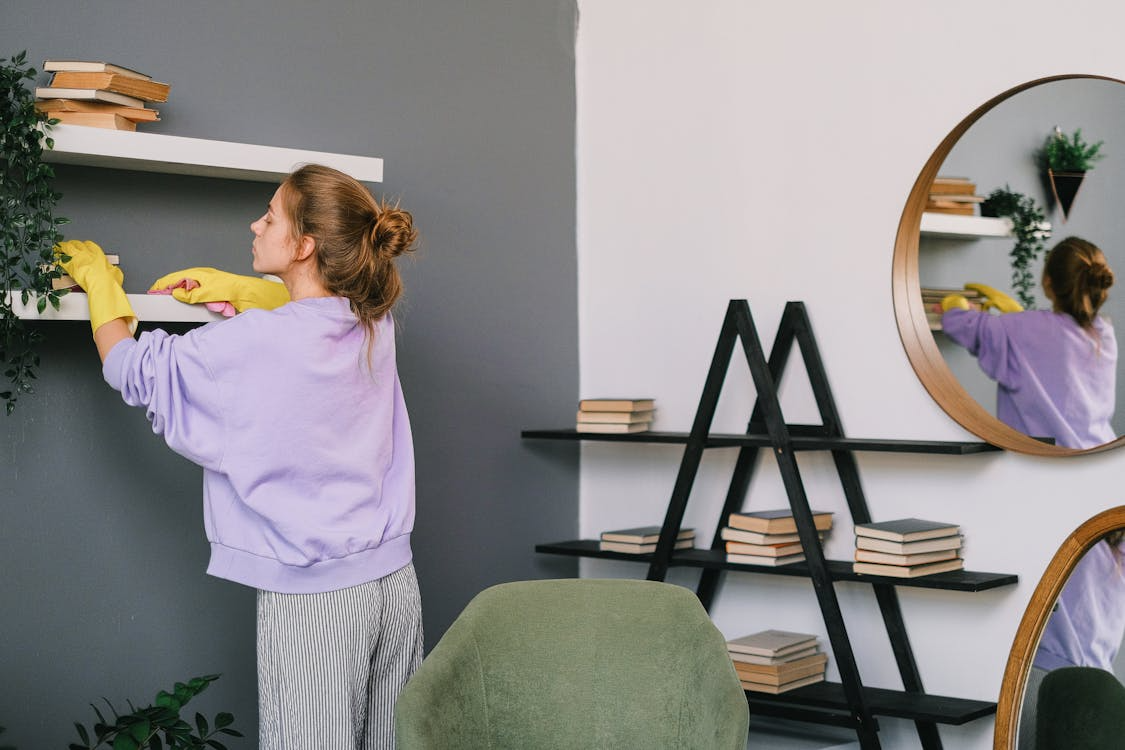
Daily cleaning does not need to be physically demanding. Breaking tasks into small, manageable steps across the week can make them easier to complete and maintain over time.
Wiping kitchen surfaces after meals takes only a few minutes. Using a squeegee on the shower screen after each use helps prevent soap scum and mould from building up. Keeping floors clear of loose items reduces the risk of trips without requiring extensive cleaning.
For more demanding tasks such as mopping floors, cleaning windows, or scrubbing bathrooms, external support can be beneficial. Government-funded home care programs in Australia may include cleaning assistance for eligible older Australians, helping maintain a safe and hygienic living environment.
Involving family without overstepping
Discussing household cleanliness can be a sensitive topic. Suggesting that a parent or grandparent is struggling with housework may feel like questioning their independence. The way the conversation is approached is important.
Focusing on health and safety outcomes rather than tidiness can make these discussions more constructive. Talking about reducing fall risks, improving air quality, or using safer cleaning products is often better received than pointing out missed chores. Offering practical support, such as helping establish a cleaning routine or arranging professional assistance, can also make the conversation more collaborative.
For families who live at a distance, home care services can provide consistent cleaning support. This ensures the home remains safe and well-maintained even when direct family involvement is limited, offering reassurance to both the individual and their relatives.
A clean space is an independent space
Maintaining a clean and organised home supports physical health, safety, and emotional well-being in older age. Regular routines, appropriate cleaning products, and adequate support all contribute to a home environment that remains safe and manageable.
Over time, a well-maintained living space becomes a key factor in preserving independence and supporting a higher quality of life.