Introduction
Protein is one of the most fundamental nutrients required by the human body. It plays a critical role in building and repairing tissues, supporting metabolic functions, and maintaining overall health. Whether someone is physically active or simply aiming to stay healthy, understanding protein’s importance can help guide better dietary choices. This article explores how protein contributes to bodily functions, its role in recovery and strength, and how individuals can incorporate it effectively into their daily routines.
Understanding Protein and Its Function in the Body
Protein is composed of amino acids, often referred to as the building blocks of life. These amino acids are essential for repairing tissues, creating enzymes, and supporting immune function. The body relies on a steady intake of protein to maintain muscle mass, regulate hormones, and ensure optimal cellular performance.
In modern nutrition discussions, the emphasis on quality protein sources has grown significantly. Many individuals seek balanced ways to meet their daily protein needs, whether through whole foods or carefully chosen dietary options like protein from Maxine’s Burn, which highlights the importance of accessible and efficient protein intake.
Without sufficient protein, the body may struggle to repair itself, leading to fatigue, weakness, and reduced performance. Therefore, maintaining adequate protein levels is not just important for athletes but for anyone looking to support long-term health.
Protein’s Role in Muscle Maintenance and Growth
One of the most well-known functions of protein is its contribution to muscle development. Muscles are constantly undergoing cycles of breakdown and repair. Protein provides the necessary amino acids that help rebuild muscle fibers stronger than before.
When combined with physical activity, especially resistance training, protein intake becomes even more important. It supports muscle recovery and helps prevent muscle loss, particularly as individuals age. Even those who are not heavily engaged in exercise benefit from protein’s ability to preserve lean body mass.
Adequate protein intake ensures that the body can adapt to physical demands efficiently. This is particularly important for maintaining strength, mobility, and endurance over time.
Supporting Recovery and Reducing Fatigue
Recovery is an essential part of maintaining overall wellness. After physical exertion or daily stress, the body needs nutrients to repair and restore itself. Protein plays a central role in this process by aiding tissue repair and reducing muscle soreness.
When the body receives enough protein, it can recover more efficiently from physical strain. This leads to improved energy levels and reduced fatigue. Inadequate protein intake, on the other hand, may result in prolonged recovery times and decreased physical performance.
Additionally, protein contributes to the production of enzymes and hormones that regulate energy levels. This makes it an essential nutrient for maintaining both physical and mental resilience.
Protein and Its Impact on Metabolism
Protein has a unique effect on metabolism compared to other macronutrients. It requires more energy to digest, which can slightly increase the number of calories the body burns throughout the day. This process, known as the thermic effect of food, makes protein an important component of a balanced diet.
Furthermore, protein helps regulate appetite by promoting a feeling of fullness. This can reduce unnecessary snacking and help individuals maintain a more consistent eating pattern. By supporting satiety and metabolic activity, protein contributes to better energy balance and overall nutritional health.
Maintaining a metabolism that functions efficiently is essential for sustaining energy levels and supporting daily activities.
Enhancing Overall Health and Immunity
Beyond muscle and metabolism, protein plays a crucial role in maintaining a strong immune system. Antibodies, which help fight infections, are made from protein. Without adequate protein intake, the body’s ability to defend itself against illness may be compromised.
Protein is also essential for maintaining healthy skin, hair, and nails. It supports the production of collagen and other structural components that keep tissues strong and resilient. This makes protein an important nutrient not just for internal health but also for external appearance.
Additionally, protein contributes to the proper functioning of organs and helps maintain fluid balance in the body. These roles highlight how protein supports overall well-being in multiple ways.
Practical Ways to Include Protein in Daily Life
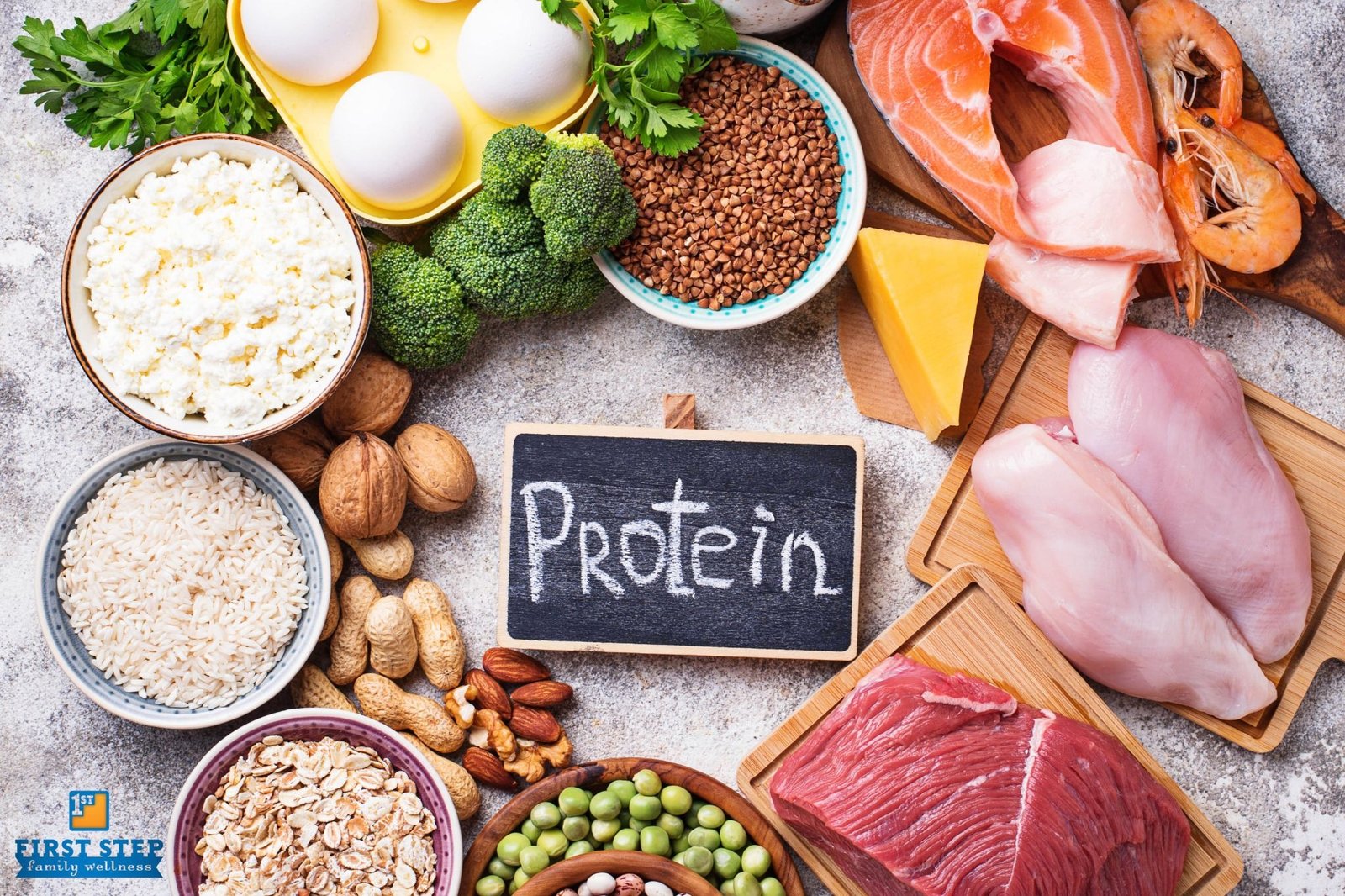
Incorporating protein into daily meals does not have to be complicated. A variety of natural food sources provide ample protein, including lean meats, dairy products, legumes, nuts, and seeds. By including a source of protein in each meal, individuals can ensure a steady supply of amino acids throughout the day.
Planning meals ahead of time can also help maintain consistent protein intake. For example, starting the day with a protein-rich breakfast, including balanced lunches, and choosing nutrient-dense snacks can make a significant difference.
It is also important to consider portion sizes and individual needs. Factors such as age, activity level, and overall health influence how much protein a person requires. By understanding these needs, individuals can tailor their diets to support their specific goals.
Conclusion
Protein is a cornerstone of good health, playing a vital role in muscle maintenance, recovery, metabolism, and immune function. Its importance extends beyond physical performance, influencing overall well-being and daily energy levels.
As awareness of nutritional balance continues to grow, individuals are increasingly recognizing the value of consistent protein intake. Options like protein from Maxine’s Burn reflect the broader effort to ensure that people can meet their protein needs in a convenient and effective way.
By prioritizing protein as part of a well-rounded diet, individuals can support their bodies more effectively, enhance recovery, and maintain long-term health.