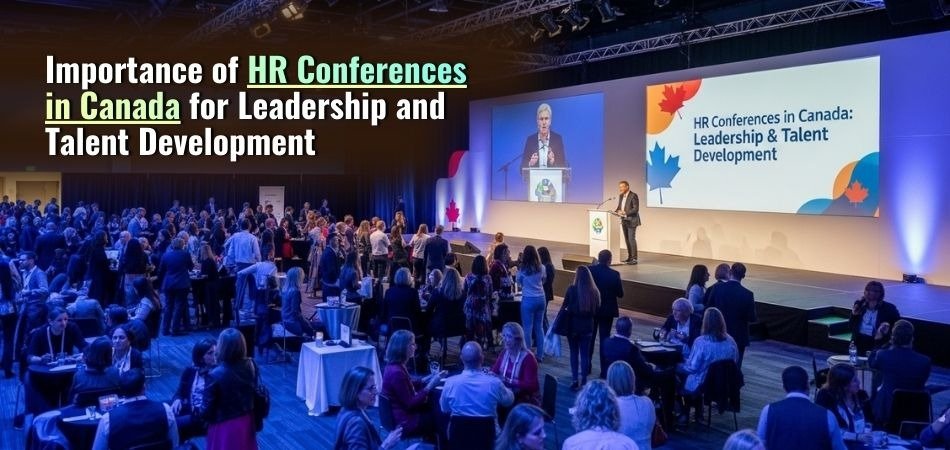
Organizations must constantly rethink how they nurture leaders and unlock human potential in today’s rapidly changing workplace. One powerful catalyst is professional collaboration. The importance of HR conferences in Canada for leadership and talent development lies in how these events support innovation, connect experts, and showcase practical strategies shaping the future of work.
As professionals exchange ideas, explore emerging HR trends, and learn leadership practices that strengthen teams, HR conferences in Canada play an increasingly important role in leadership and talent development. Continue reading to find out how these conferences contribute to leadership and workforce success.
What Are HR Conferences and Why Do They Matter for Modern Organizations?
HR conferences are large-scale professional gatherings designed for Human Resources practitioners, executives, and business leaders to exchange knowledge, explore emerging trends, and build strategic networks. They serve as critical touchpoints for the HR profession, evolving from traditional training seminars into dynamic ecosystems that shape how organizations manage their most valuable asset: people.
Purpose of HR Conferences
At their core, HR conferences address the profession’s fundamental need for continuous adaptation. The workplace is undergoing unprecedented transformation driven by AI integration, remote work expansion, generational workforce shifts, and evolving employee expectations.
In response, events like HR Conferences in Canada provide focused learning environments where professionals explore new strategies, share insights, and stay informed about changing workforce trends. Conferences function as knowledge accelerators, compressing months of individual research into concentrated learning experiences and structured discussions where practitioners can:
- Benchmark against industry standards by comparing their organization’s practices with those of leading employers.
- Access cutting-edge research before it appears in academic journals or textbooks
- Pressure-test emerging strategies through case studies presented by peers who have already implemented them.
- Navigate regulatory complexity with updates on employment law, compliance requirements, and global workforce regulations.
Unlike static online courses or internal training, conferences offer contextualized intelligence insights delivered by practitioners who understand the political, cultural, and resource constraints that make HR decisions complex.
Role in Professional Development
For individual HR professionals, conferences represent career catalysts rather than mere educational opportunities. They serve multiple developmental functions:
- Competency Expansion: Modern HR requires hybrid skill sets combining people analytics, technology fluency, change management, and strategic business acumen. Conferences offer specialized tracks that allow practitioners to deepen expertise in areas like AI-driven recruitment, employee experience design, or total rewards strategy while maintaining breadth across the discipline.
- Credential Building: Participation signals professional commitment to employers and can contribute toward recertification requirements for credentials like SHRM-CP, SHRM-SCP, or HRCI certifications.
- Leadership Pipeline Development: Organizations often use conferences as talent identification mechanisms. Sending high-potential HR staff to these events serves dual purposes: skill acquisition and visibility assessment. How professionals network, engage in sessions, and represent the organization externally often informs succession planning decisions.
- Psychological Professionalization: HR can be isolating, particularly in small departments or when handling sensitive employee matters. Conferences provide a professional community space where practitioners realize their challenges are shared, their ethical dilemmas are universal, and their strategic importance is recognized by peers.
Why Organizations Invest in Them
The business case for conference investment extends beyond individual development to organizational capability building:
- Talent Intelligence Gathering: Organizations treat conferences as competitive intelligence operations. HR leaders systematically collect data on what competitors offer, how they’re structuring hybrid work, what technologies they’re adopting, and how they’re positioning their employer brands. This intelligence directly informs retention strategies and recruitment positioning.
- Employer Brand Amplification: Speaking opportunities, booth presence, and visible participation position organizations as thought leaders and attractive employers. For companies in competitive talent markets, conference visibility often precedes successful recruiting outcomes.
- Technology Evaluation: The HR technology landscape is fragmented and noisy. Conferences provide consolidated vendor exposure, allowing organizations to compare solutions efficiently rather than navigating endless sales cycles. The ability to see demos, question vendors, and hear peer reviews of implementation experiences reduces technology investment risk.
- Change Management Support: When organizations pursue major HR transformations—implementing new performance management systems, restructuring for agility, or redesigning compensation philosophies, conferences provide external validation. Bringing back insights from respected organizations helps internal HR leaders build credibility for proposed changes.
- Network Capital: Perhaps most significantly, conferences build relationship infrastructure. The HR leaders met at conferences often become informal advisors, benchmarking partners, or even future hires. In an era where talent strategies increasingly determine business outcomes, these networks represent strategic assets.
The Importance of HR Conferences in Canada for Leadership and Talent Development
HR conferences in Canada strengthen leadership skills and talent strategies by connecting professionals with expert insights and industry trends. They help organizations build future-ready teams and effective leaders. Discover how these conferences accelerate workforce development below.
How Do HR Conferences Support Leadership Development in Canada?
HR conferences support leadership development by offering structured learning opportunities, expert-led sessions, and interactive workshops. These events help leaders strengthen decision-making, strategic thinking, and people management skills. Explore how Canadian HR conferences shape impactful leaders.
- Exposure to modern leadership strategies used by successful Canadian organizations
- Interactive workshops focused on communication, collaboration, and team management
- Insights from industry leaders who share real-world leadership experiences
- Guidance on leading diverse and inclusive workplaces
These learning opportunities help HR professionals become more confident and capable leaders within their organizations.
Strengthening Talent Development Through HR Conferences
Talent development is a major focus of HR conferences in Canada, as organizations aim to attract, develop, and retain top talent. Conferences introduce innovative approaches to employee training, career development, and workforce planning. Learn how these events help organizations build stronger talent pipelines. HR professionals attending these conferences often explore strategies such as:
- Building effective employee development programs
- Implementing continuous learning cultures within organizations
- Improving employee engagement and retention strategies
- Leveraging technology and HR analytics for talent management
These insights help organizations develop future leaders while ensuring employees receive the training and support needed for career growth.
Networking Opportunities That Enhance Talent and Leadership Growth
Networking is one of the most valuable aspects of HR conferences in Canada. These events bring together HR professionals, executives, talent specialists, and industry experts from different sectors. See how networking opportunities contribute to leadership and talent development. Through networking, participants can:
- Exchange experiences with HR leaders from various industries
- Build professional relationships that support career growth
- Learn best practices from organizations facing similar challenges
- Discover collaborative solutions for workforce development
Strong professional networks often lead to mentorship opportunities and knowledge sharing that support long-term leadership growth.
Key Benefits of HR Conferences for Canadian Organizations
| Benefit | Impact on Leadership and Talent Development |
| Leadership Skill Enhancement | Leaders gain modern HR and management strategies |
| Talent Development Insights | Organizations learn new employee development approaches |
| Industry Knowledge | Exposure to Canadian workforce trends and HR innovations |
| Professional Networking | Strong connections with HR leaders and experts |
| Strategic HR Planning | Improved alignment between HR initiatives and business goals |
These benefits highlight why HR conferences remain valuable learning platforms for organizations across Canada.
Driving Long-Term Organizational Success
HR conferences contribute to long-term organizational success by equipping leaders with the knowledge and strategies needed to build resilient and engaged workforces. They help organizations adapt to workplace changes while maintaining strong leadership pipelines. Continue exploring to understand how HR events drive sustainable workforce development.
When leaders implement insights gained from HR conferences, organizations often experience improved employee engagement, stronger talent retention, and more effective leadership practices. As a result, HR conferences in Canada continue to play a vital role in shaping future leaders and developing the talent that drives organizational growth.
How Do HR Conferences Support Talent Development?
HR conferences support talent development by sharing practical strategies, modern tools, and workforce insights that help organizations grow skilled employees and future leaders. These events highlight proven approaches to talent management, engagement, and HR technology. Keep reading to learn how HR conferences actively strengthen workforce development:
Talent Management Strategies
HR conferences highlight practical frameworks that help organizations improve workforce planning and strengthen long-term skills development across teams.
- Workforce planning sessions guide HR leaders to forecast talent needs accurately and align hiring strategies with long-term business growth.
- Skills development discussions introduce practical frameworks that help organizations build continuous learning programs and strengthen employee capabilities.
Employee Engagement and Retention
Industry experts explain how strong workplace culture and positive employee experience improve engagement, loyalty, and long-term retention.
- Culture-building sessions reveal practical ways organizations create supportive workplaces where employees feel valued, motivated, and committed daily.
- Employee experience discussions highlight strategies that improve communication, recognition programs, and workplace flexibility to maintain stronger retention rates.
HR Technology and Talent Analytics
HR conferences introduce advanced digital tools that help organizations improve recruitment, track workforce performance, and make data-driven talent decisions.
- AI recruitment tools demonstrate how automation speeds hiring processes while helping HR teams identify skilled candidates faster.
- HR analytics platforms show how workforce data helps leaders measure performance trends and design smarter talent management strategies.
Training and Skill-Building Workshops
Hands-on workshops allow HR professionals to practice real-world solutions, learn modern tools, and strengthen leadership and workforce development skills.
- Practical training sessions allow participants to practice real workplace scenarios, improving problem-solving abilities and strengthening leadership confidence.
- Skill-building workshops encourage collaboration, helping HR professionals exchange ideas and apply new workforce development techniques immediately.
The Role of Networking in HR Professional Growth
Networking is one of the most valuable outcomes of attending HR conferences because it creates opportunities for professionals to connect with others who face similar workplace challenges. Through meaningful conversations and knowledge exchange, HR practitioners gain insights that may not always be available through formal training or published research. These connections help professionals broaden their perspectives, learn from real organizational experiences, and stay informed about evolving workforce practices.
Mentorship
HR conferences often create environments where experienced leaders and emerging professionals interact naturally. These interactions can lead to mentorship relationships in which senior HR practitioners provide guidance on career development, strategic decision-making, and leadership growth. Mentors can share lessons learned from their professional journeys, helping newer professionals navigate complex workplace situations with greater confidence.
Peer Learning
Networking also encourages peer learning among HR professionals who work in different industries or organizational contexts. By discussing real workplace scenarios, participants can exchange practical solutions for common HR challenges such as employee engagement, workforce planning, and policy development. Learning from peers allows professionals to understand multiple approaches to similar problems and identify strategies that may work within their own organizations.
Professional Relationships
Strong professional relationships developed through networking can extend beyond the conference environment. HR professionals often maintain contact with colleagues they meet at events, creating trusted networks where they can seek advice, share resources, and discuss emerging trends. These long-term relationships support continuous learning and provide valuable support when professionals face new organizational challenges.
Industry Collaboration
Networking also opens the door to broader industry collaboration. When HR professionals from different organizations connect, they can explore partnerships related to workforce initiatives, talent programs, or research projects. Such collaboration encourages the sharing of best practices and helps organizations collectively address evolving workforce issues.
Popular Topics and Trends Discussed at HR Conferences
HR conferences explore modern workplace topics that help organizations improve leadership, talent strategies, and employee experiences. Experts discuss real challenges and share practical solutions for today’s workforce. Review the key topics below to see what professionals learn at HR conferences:
- Future Work Models: Flexible work policies help teams balance productivity and well-being in modern organizations. Leaders discuss hybrid systems that support collaboration while maintaining employee satisfaction across distributed workplaces.
- Inclusive Leadership: Diverse leadership practices encourage fairness, respect, and equal opportunity across growing multicultural workplaces. HR experts share ways leaders build inclusive cultures that support belonging, trust, and stronger team performance.
- Digital HR Tools: Modern HR platforms simplify recruitment, onboarding, and performance tracking for busy human resource teams. Technology discussions explain how digital systems improve accuracy, efficiency, and employee engagement within organizations.
- Employee Wellbeing: Healthy workplaces encourage motivation, reduce burnout, and support long-term employee satisfaction and performance. Speakers highlight practical wellbeing programs that strengthen mental health awareness and workplace support systems.
- Skills Development: Continuous learning helps employees adapt to changing industries and develop valuable workplace skills over time. HR leaders present training strategies that encourage curiosity, growth, and stronger career development opportunities.
- Workplace Culture: Positive workplace cultures encourage collaboration, trust, and shared purpose among employees and leadership teams. Conference discussions highlight simple ways organizations strengthen values, communication, and everyday workplace interactions.
How HR Professionals Can Maximize the Value of HR Conferences?
HR professionals gain the most value from conferences when they plan ahead, connect with peers, and focus on practical learning. Smart preparation improves knowledge, relationships, and workplace impact. Use the strategies below to turn conference participation into meaningful professional growth.
Preparing Before the Conference
Successful conference participation begins with clear preparation and defined learning goals before attending professional HR events. Careful planning helps professionals identify key sessions, review speaker topics, and prepare thoughtful questions for deeper discussions.
Building Meaningful Professional Connections
HR conferences offer valuable networking moments where professionals build meaningful connections with peers and experienced industry leaders. Active conversations during sessions, breaks, and informal meetings help participants exchange ideas and develop lasting professional relationships.
Selecting the Most Relevant Sessions
Choosing relevant conference sessions helps professionals focus their learning efforts on topics that support real workplace challenges. Reviewing conference agendas early allows participants to prioritize sessions covering leadership development, talent strategies, and modern HR practices.
Applying Conference Insights in the Workplace
Applying conference insights quickly helps organizations benefit from new strategies, ideas, and practical HR approaches learned during events. HR professionals share knowledge with teams, test useful ideas, and encourage continuous improvement across the workplace.
The Future of HR Conferences in Canada
HR conferences in Canada continue to evolve as workplaces change and new workforce challenges appear. Future events will focus on innovation, technology, and human-centered leadership. Explore the key trends shaping the future direction of HR conferences across Canada below:
- Hybrid Conference Models: Hybrid events combine in-person meetings with virtual access, so more HR professionals can join learning sessions easily. This approach increases flexibility while allowing participants to connect, learn, and share ideas regardless of their location.
- Advanced HR Technology: Future conferences will highlight digital HR tools that simplify recruitment, workforce planning, and employee performance management. Experts explain how modern technology supports faster decisions and stronger talent strategies inside growing organizations.
- Data-Driven HR: HR leaders increasingly use workforce data to understand employee behavior, improve retention, and support smarter leadership decisions. Conference sessions will teach practical ways organizations apply HR analytics to guide talent development strategies.
- Human-Centered Leadership: Future HR conferences will emphasize leadership approaches that value empathy, communication, and employee well-being within modern workplaces. These discussions help organizations build supportive cultures where people feel respected, motivated, and confident to contribute ideas.
- Continuous Learning Focus: Conferences will highlight lifelong learning programs that help employees update skills and remain competitive in changing industries. HR professionals explore training models that support growth, adaptability, and stronger career development opportunities.
Wrap Up
HR conferences continue to shape stronger workplaces by helping professionals learn, connect, and improve leadership practices. The importance of HR conferences in Canada for leadership and talent development becomes clear as these events bring new ideas, practical skills, and meaningful collaboration for modern organizations.
By attending these conferences, HR professionals gain insights that strengthen talent strategies, support future leaders, and improve workplace culture. As workplaces evolve, these conferences will remain vital for organizations that want sustainable growth and stronger people-focused leadership.